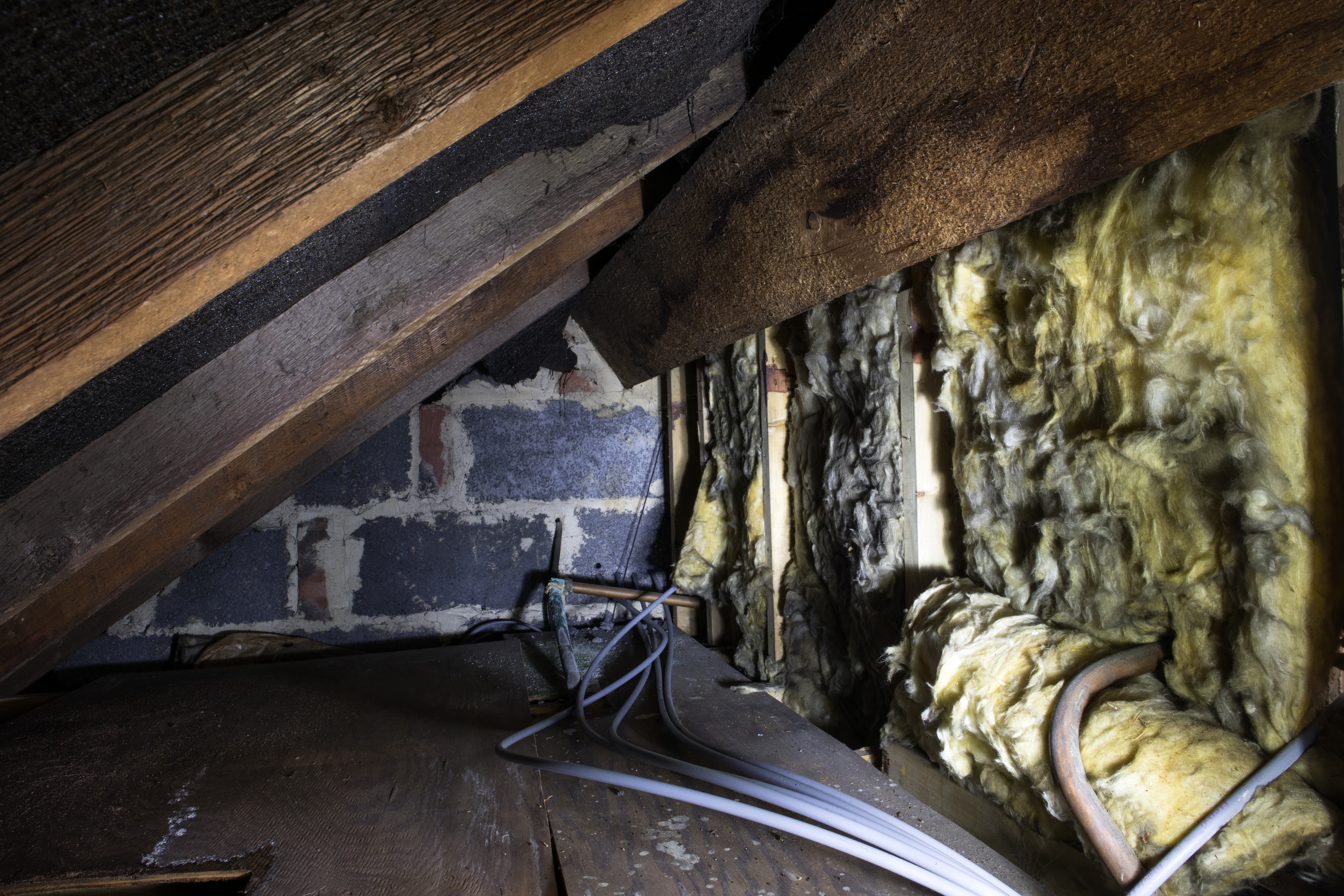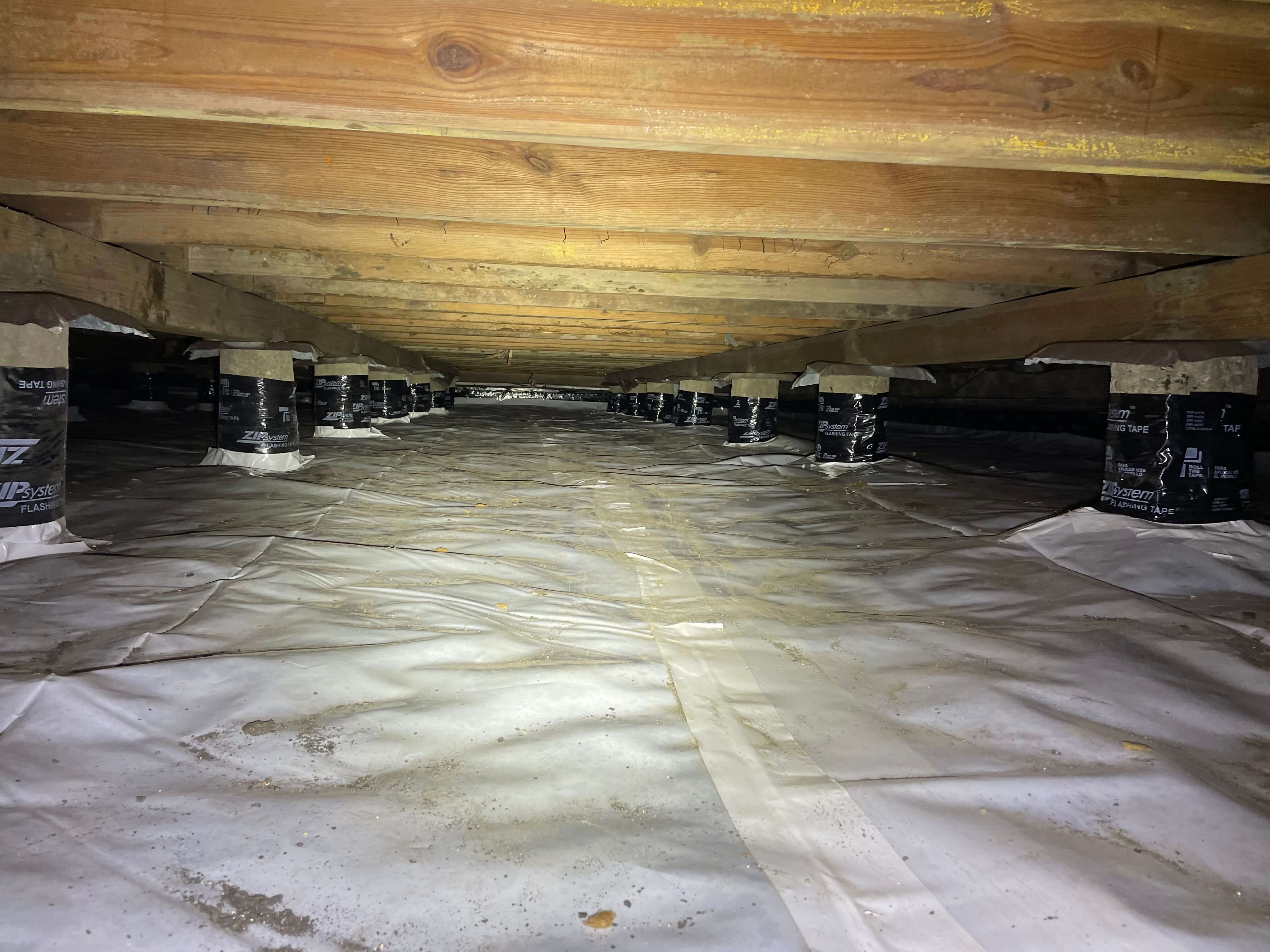
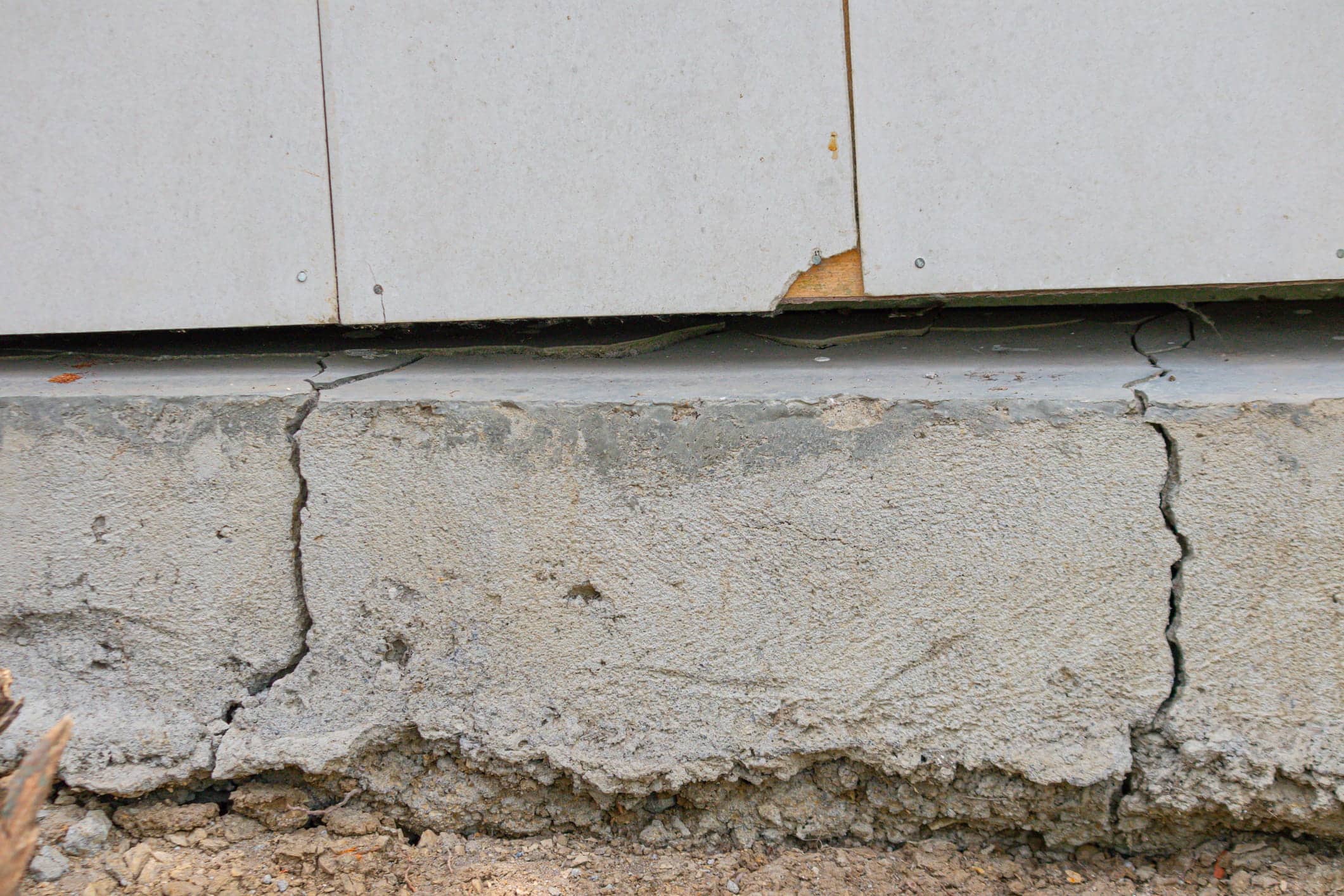
a house foundation that cracks due to unstable soil conditions

Can a Bad Foundation Be Fixed?

We hear this question a lot from homeowners around DFW—usually after spotting deep cracks in the walls, stuck doors, or floors that don’t feel quite level anymore. And the answer? 

Yes, in most cases, a bad foundation can be fixed. But the real question is: how bad is bad? 

Here in North Texas, where the soil never seems to sit still for long, foundation issues are more common than you’d think. But just because your home is showing signs of trouble doesn’t mean it’s a lost cause. Far from it. 

Let’s walk through what a “bad” foundation really means, why our local soil plays such a big role, and how Align Foundation Repair can help you get solid ground back under your feet.
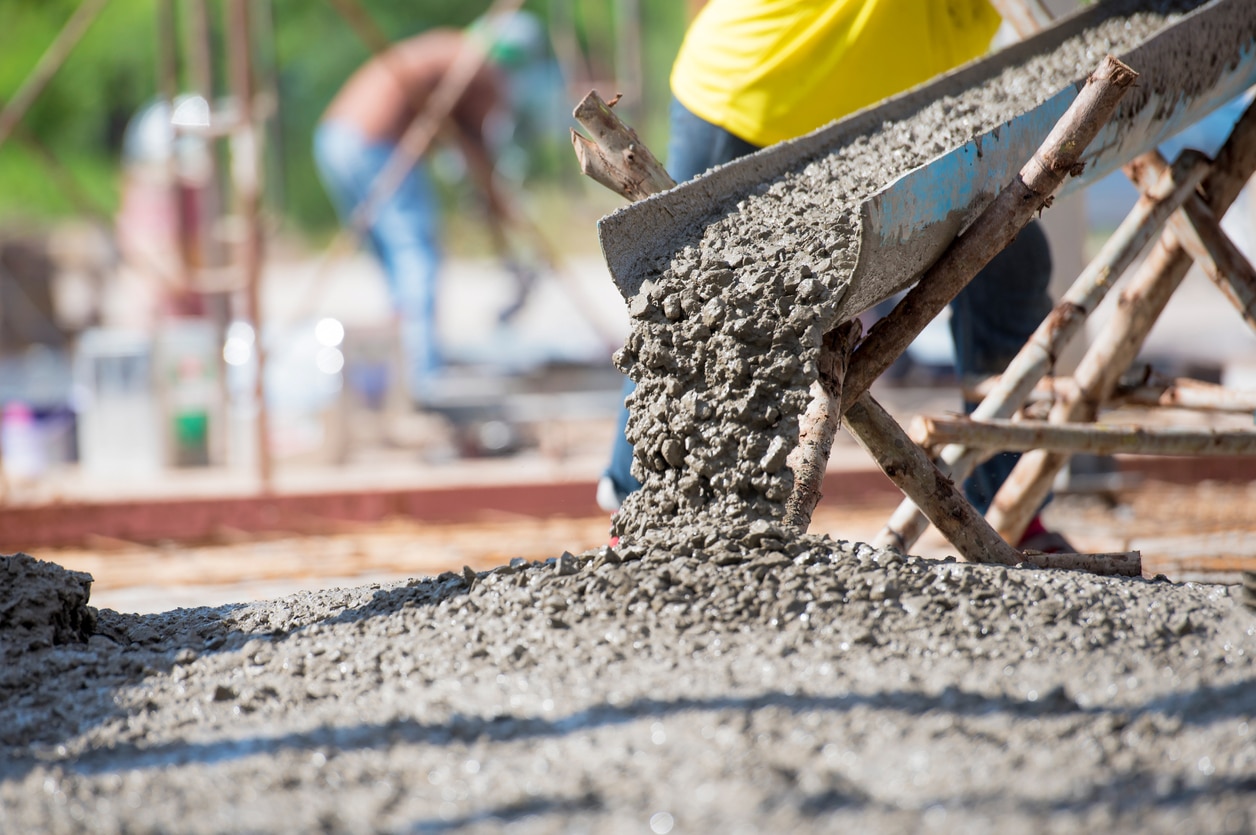
Concrete pouring during commercial concreting slab foundation of building

First Things First: What Makes a Foundation “Bad”? 

A foundation becomes “bad” when it’s no longer providing even, stable support for your home. That could mean: 

  • Cracks running through the slab 
  • Uneven floors 
  • Doors that used to shut perfectly now won’t budge 
  • Cracks snaking through drywall or brickwork 
  • Gaps where walls meet ceilings 

Some homeowners ignore these signs for months—or even years—because they think fixing a foundation means tearing the house apart. In reality, foundation repair is often far less invasive than people expect (especially when you catch it early). 

Why North Texas Soil Causes So Many Problems 

If you’ve lived in DFW long enough, you’ve probably seen what happens to the ground after a long dry spell followed by a heavy rain. One day the soil’s cracked and dry; the next it’s muddy and swollen. 

That’s because most of our region sits on expansive clay soil—the kind that shrinks when it dries and swells when it gets wet. This constant movement puts stress on your foundation. Over time, it can cause parts of your home to settle lower than others, creating all kinds of issues above ground. 

And it’s not just the soil. We also see problems caused by: 

  • Poor drainage around the home 
  • Under-slab plumbing leaks 
  • Improperly compacted soil during construction 

 The good news? These conditions are exactly what we specialize in fixing. DFW soil isn’t easy, but we know how to work with it—not against it.

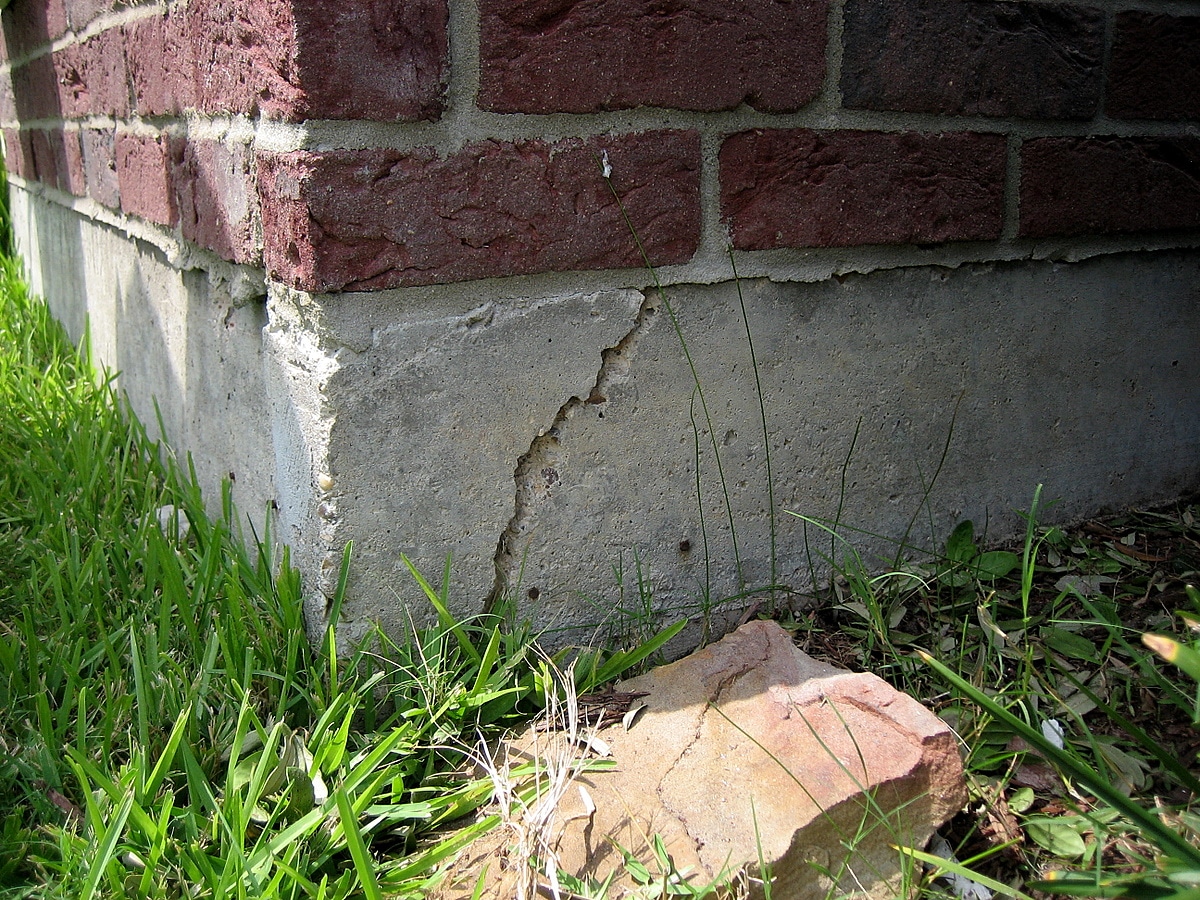
a house foundation that cracks due to unstable soil conditions

So… Can It Be Fixed? 

In nearly every case, yes. A damaged foundation can be repaired. Even homes with long-term settling, major cracking, or serious structural movement can be stabilized and restored. 

Here’s what we look at to determine your repair options:

1. How Extensive Is the Damage?

A few cosmetic cracks? Probably nothing major. But if walls are separating, floors are sloping, or your garage has dropped several inches, we’re talking about structural movement that needs professional attention.

2. What Type of Foundation Do You Have?

Most homes in DFW have slab-on-grade foundations, which are very repairable using concrete or steel piers. If you have a pier and beam foundation, the repair method is different—but still very doable.

3. What’s Happening Beneath the Slab?

Sometimes, it’s not the concrete that’s the problem—it’s the soil underneath. If voids have formed or the soil is too unstable, we may need to fill and compact that area before any lifting is done.

4. Are Plumbing Leaks Involved?

A hidden leak under the slab can quietly erode soil for years. If we suspect a leak, we will let you know so the leaks can be identified and the best order of operation can be determined. 

How We Fix Foundations in DFW 

At Align, we don’t believe in one-size-fits-all repairs. Every home, every soil type, and every foundation issue is different. 

But here are the most common methods we use to fix foundations in the DFW area: 

  • Concrete or Steel Piers

Installed beneath your foundation, these piers reach stable soil and lift the structure back into place. This is one of the most effective ways to stop settling. 

  • Mudjacking and Void Villing

We inject specially mixed sand and cement beneath the slab to fill voids and provide lift. This method is fast, minimally invasive, and effective in the right conditions. 

  • Drainage and Soil Correction

Sometimes the foundation isn’t the main problem—it’s the water around it. We’ll recommend grading, French drains, or soil stabilization if needed. 

Curious about the process? Learn more about foundation repair in DFW.  

How to Tell if Your Foundation Needs Help 

Not sure if what you’re seeing is serious? Here are a few red flags that usually mean your foundation’s asking for attention:  

  • Cracks in brick, especially stair-step patterns 
  • Gaps between baseboards and the floor 
  • Doors and windows that suddenly stick 
  • Drywall cracks that keep getting longer 
  • Sloping or uneven floors 
  • A feeling that “something just isn’t level” 

Want a better idea of what to look for? Here’s how to spot a foundation problem. 

Are There Foundations That Can’t Be Fixed? 

It’s rare, but it happens. In a few extreme cases, like when the home has been neglected for decades or the soil has eroded completely away, foundation repair may no longer be safe or cost-effective. 

But in our experience, most homes in North Texas are nowhere near that point. If you catch the issue early enough, there’s almost always a repair path forward. 

Trust the Local Experts Who Know This Soil Like the Back of Their Hand 

At Align Foundation Repair, we’re not just foundation contractors—we’re DFW soil specialists. Our entire business is built around understanding the unique challenges that come with owning a home in North Texas. 

That means: 

  • We know how local soil behaves
  • We know how to read the signs of movement
  • We know which repair methods work best (and which don’t)
  • And most importantly, we’ll give you honest answers 

So, can a bad foundation be fixed? Most of the time, yes. But you won’t know for sure until someone who truly understands North Texas foundations takes a look. 

That’s what we’re here for. 

Request your foundation repair estimate and let’s find out what your home needs. 
How to Repair Foundation Leaks in North Texas Homes

If you’re dealing with strange warm spots on your floor, a mysterious musty smell, or a sudden jump in your water bill, you might have a foundation leak. And in the Dallas-Fort Worth area, where slab foundations and shifting clay soil are the norm, this kind of problem is more common than most homeowners realize.

But don’t panic. Most foundation leaks can be repaired, and the sooner you act, the less damage you’ll have to deal with.

In this guide, we’ll break down what causes foundation leaks, how to spot them, how the repair process works, and what comes next if your foundation has been compromised.

Why Foundation Leaks Happen in Texas Soils

To understand how foundation leaks occur, we have to talk about the unique geotechnical makeup of North Texas.

1. Expansive Clay Soil

The majority of homes in the DFW region are built on expansive clay soils—especially Houston Black Clay, which absorbs water like a sponge and contracts when it dries. This constant swelling and shrinking causes soil movement beneath your slab, which puts stress on both the foundation and the plumbing embedded within it.

Over time, this can lead to:

  • Cracked or weakened water pipes under the slab
  • Gaps beneath the foundation where water can pool
  • Uneven foundation settling due to soil erosion

2. Unpredictable Weather Patterns

North Texas sees extreme seasonal shifts—long dry spells followed by heavy rains. These cycles create moisture imbalances in the soil, which accelerates shifting and increases the risk of both pipe damage and foundation movement.

3. Aging Infrastructure

Many homes built before the 1990s in the DFW area still have older copper or galvanized steel pipes, which are more prone to corrosion. When these pipes are surrounded by constantly shifting clay, they become even more vulnerable to cracks and leaks.

How to Tell If You Have a Foundation Leak

A foundation leak is not the same as a dripping faucet or burst pipe. The signs are often subtle—but specific—once you know what to look for.

Here are key indicators that point to a potential slab leak:

1. Warm or Damp Spots on the Floor

Unusual warm areas on tile, wood, or concrete floors—especially if they persist—can signal a hot water line leak under the slab. These are not just odd HVAC issues; they’re signs of water moving through concrete.

2. Sudden Increase in Water Bills

A rising water bill, with no change in usage, often means water is leaking underground 24/7. Even pinhole-sized leaks can waste hundreds of gallons per day.

3. Cracked Flooring

Isolated cracks in floor tiles, or new cracks in slab sections, are often caused by soil erosion or pressure changes from water beneath the foundation—not normal wear and tear.

4. Musty Odors or Mold Growth

Moisture trapped beneath your floors can lead to mold, mildew, or even buckled flooring. A musty smell that won’t go away is a serious warning sign.

5. Low Water Pressure Throughout the Home

If your whole house has weak water flow, especially on the hot water side, a slab leak may be reducing line pressure before it even reaches your fixtures.

Want more tips? Here’s how to spot a foundation problem before it becomes a major repair.

How Professionals Repair Foundation Leaks

Fixing a foundation leak is not a DIY project. It requires precision equipment, technical expertise, and an understanding of how soil and structure interact. They involve both plumbing and structural integrity—and very few companies are equipped to handle both sides of the problem.

Here are the main methods used to repair foundation leaks under slab foundations:

Get steel or concrete pier installation from Align Foundation Repair today.

1. Leak Detection

Professionals start with electronic or acoustic slab leak detection tools. These devices can detect moisture, temperature anomalies, or vibrations that indicate a leak without tearing up your floors.

2. Spot Repair (Slab Access Repair)

If the leak is localized and accessible, a plumber may use jackhammers to access the slab directly above the leak. The damaged pipe is replaced, and the area is patched. This is common for newer homes or isolated problems.

3. Pipe Rerouting

If your home has multiple or aging leaks, it may be better to reroute water lines entirely, avoiding the slab altogether. New pipes are installed through attic spaces or walls—bypassing problem areas for good.

4. Trenchless Pipe Lining or Pipe Bursting

In some cases, epoxy lining can be applied inside the damaged pipe to create a new interior seal. Alternatively, a pipe bursting method can replace the damaged line underground with minimal excavation.

Keep your additional costs down by contacting Align Foundation Repair today.

Why Foundation Repair May Be Needed After a Leak

Even if the plumbing is fixed, foundation damage may already be done. Leaks erode the soil under your home, creating voids or shifting the slab unevenly. If left unchecked, this leads to a settling foundation, cracks in walls, sticking doors, and other structural issues.

Align Foundation Repair uses:

  • Concrete or steel piers to lift and stabilize uneven foundations
  • Void fill injections to support hollow areas under the slab
  • Drainage corrections to help redirect future water away from the foundation

To learn more about how we lift, level, and protect homes after a slab leak, explore our approach to foundation repair in DFW.

How to Prevent Foundation Leaks in the Future

Foundation leaks can often be prevented, or at least minimized, with the right home maintenance strategies. For example:

1. Install Proper Drainage

Make sure your gutters, downspouts, and landscaping direct water away from the foundation, not toward it.

2. Maintain Consistent Moisture Around Your Home

In dry seasons, watering the soil around your foundation (especially clay-heavy areas) helps reduce extreme expansion/contraction cycles.

3. Use Root Barriers Near Trees

Tree roots aggressively seek water and may grow into your home’s plumbing lines. Install root barriers to protect slab pipes.

4. Schedule Routine Plumbing Inspections

A proactive check-up every few years can detect minor issues before they turn into full-blown slab leaks.

Proudly Serving Dallas-Fort Worth with Expert Foundation Repairs

If you’re in the DFW area and think you may have a slab leak, or you’ve already confirmed one, it’s time to call the professionals. Align Foundation Repair brings:

  • Local soil expertise (specific to North Texas)
  • Advanced slab repair methods
  • Long-term solutions, not temporary patches
  • Honest, pressure-free inspections

We’ll assess your home’s foundation, coordinate with plumbers if needed, and recommend the right repair strategy to protect your home’s long-term value. From leak detection to full foundation stabilization, we coordinate with plumbers and engineers to restore your home the right way, the first time.

Schedule your foundation repair estimate with Align Foundation Repair today.